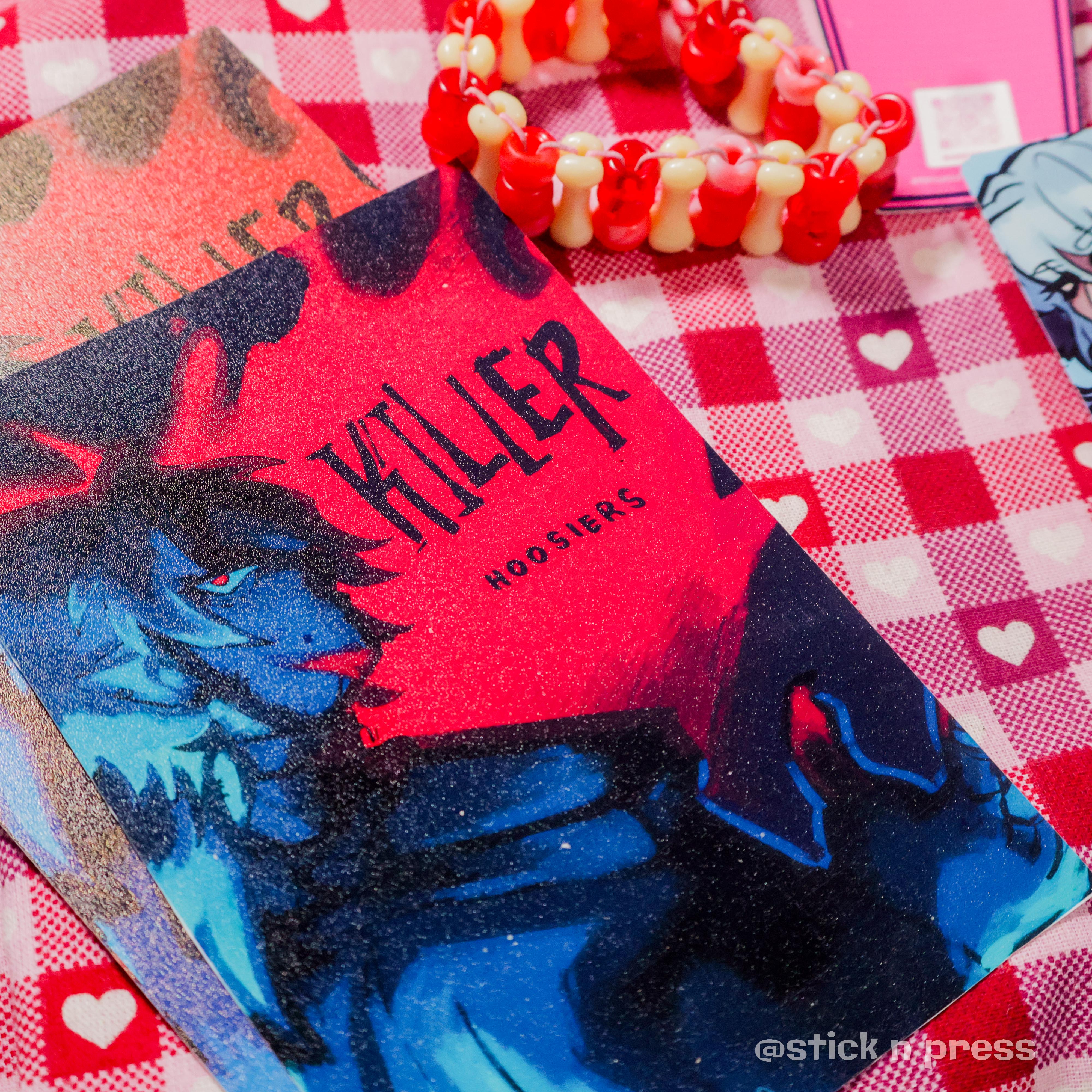
Stick N’ Press

A Hobbyist’s Guide to Making Merchandise

Start with the basics before you choose a material, place an order, or prep a file. This page collects the core differences between stickers, prints, and button pins using the same visual language as the rest of the site.

Browse the Basics

Quick reference

Merchandise basics at a glance

Each merch type asks for a different setup. Stickers depend on paper finish and lamination, prints depend on size and stock, and button pins depend on machine size and shape. Use these notes as a baseline before moving on to the more specific tutorials.

A. Stickers

Layered, laminated, and finish-dependent

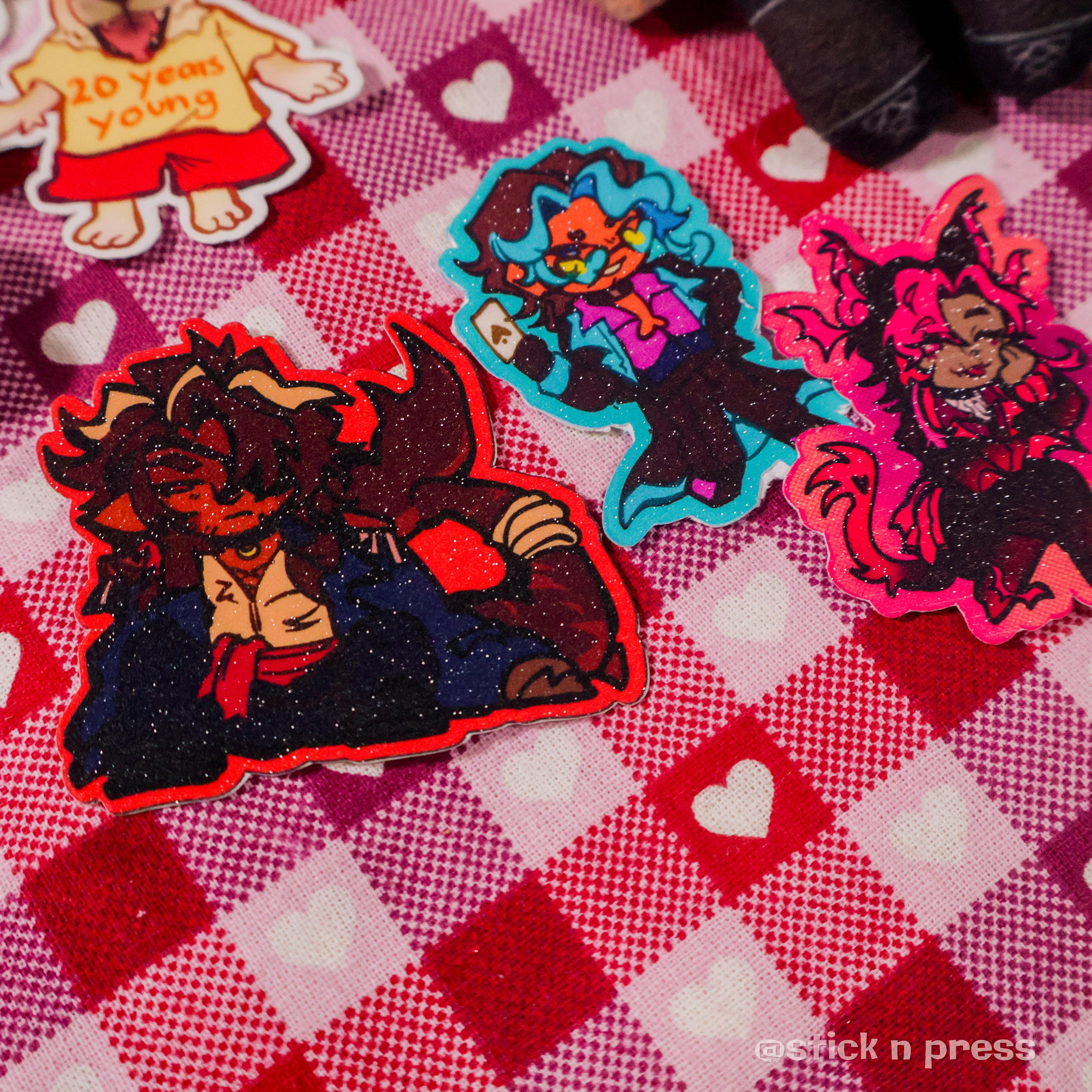
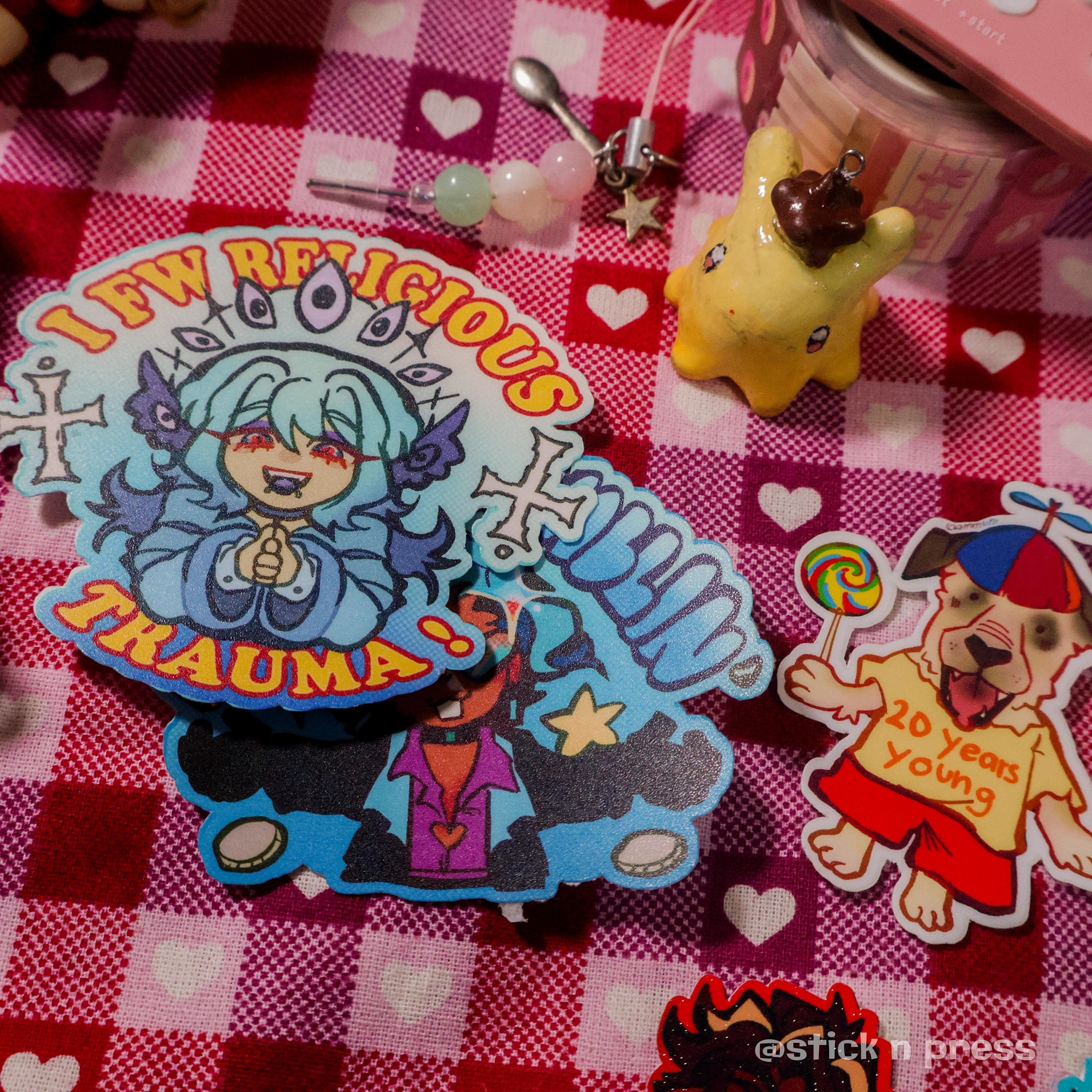
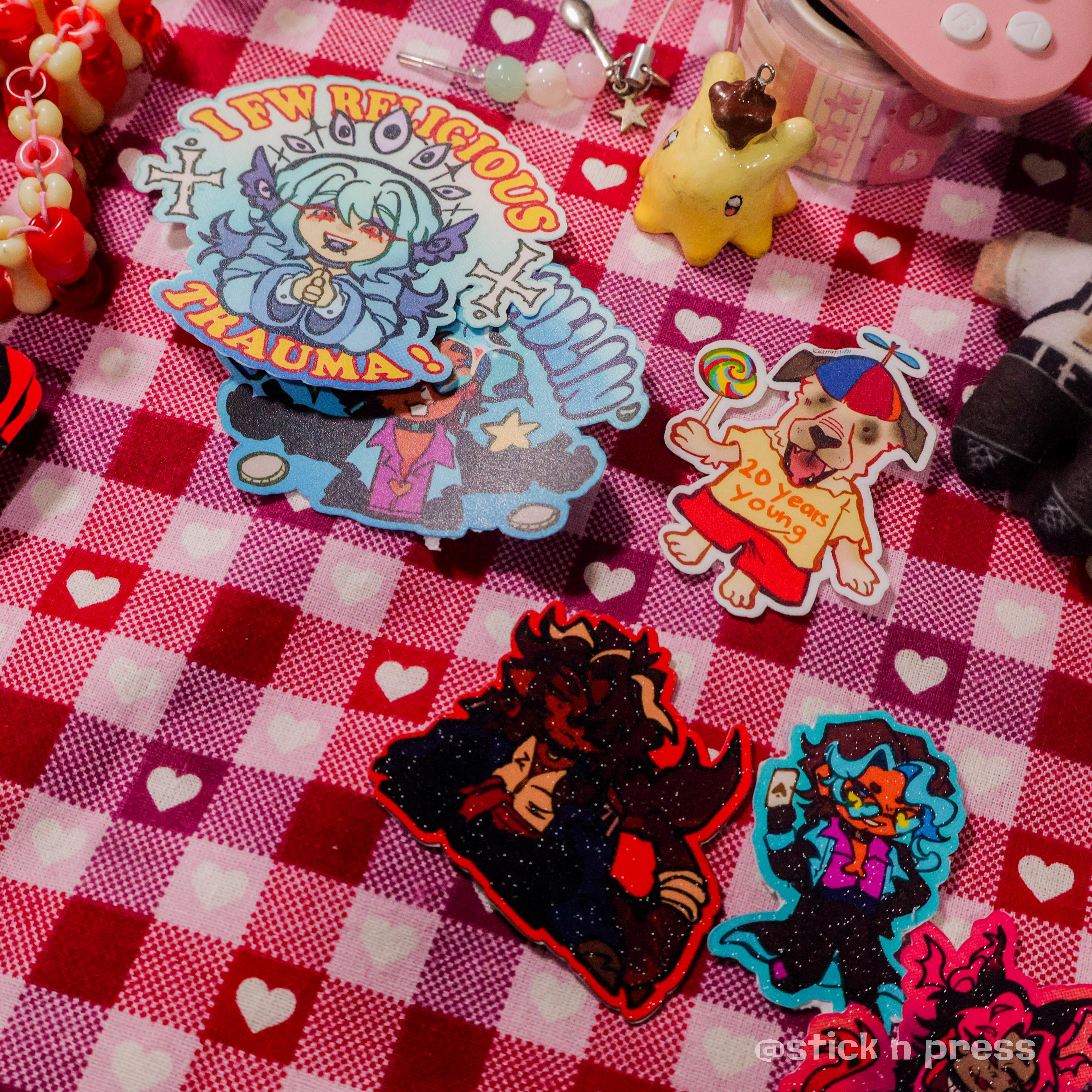
Stickers usually start as printed artwork on adhesive paper or vinyl, then get sealed with laminate so the design stays crisp and protected during handling. The most common beginner options are photo paper stickers, matte stickers, and vinyl-based finishes.

  • Choose your base first: glossy photo paper, matte stock, or vinyl all behave differently.
  • Lamination helps prevent scratches, fading, and weak paper edges.
  • Cutting method matters: hand-cut sheets and machine-cut kiss cuts need different margins.
B. Prints

Paper goods built around size and stock

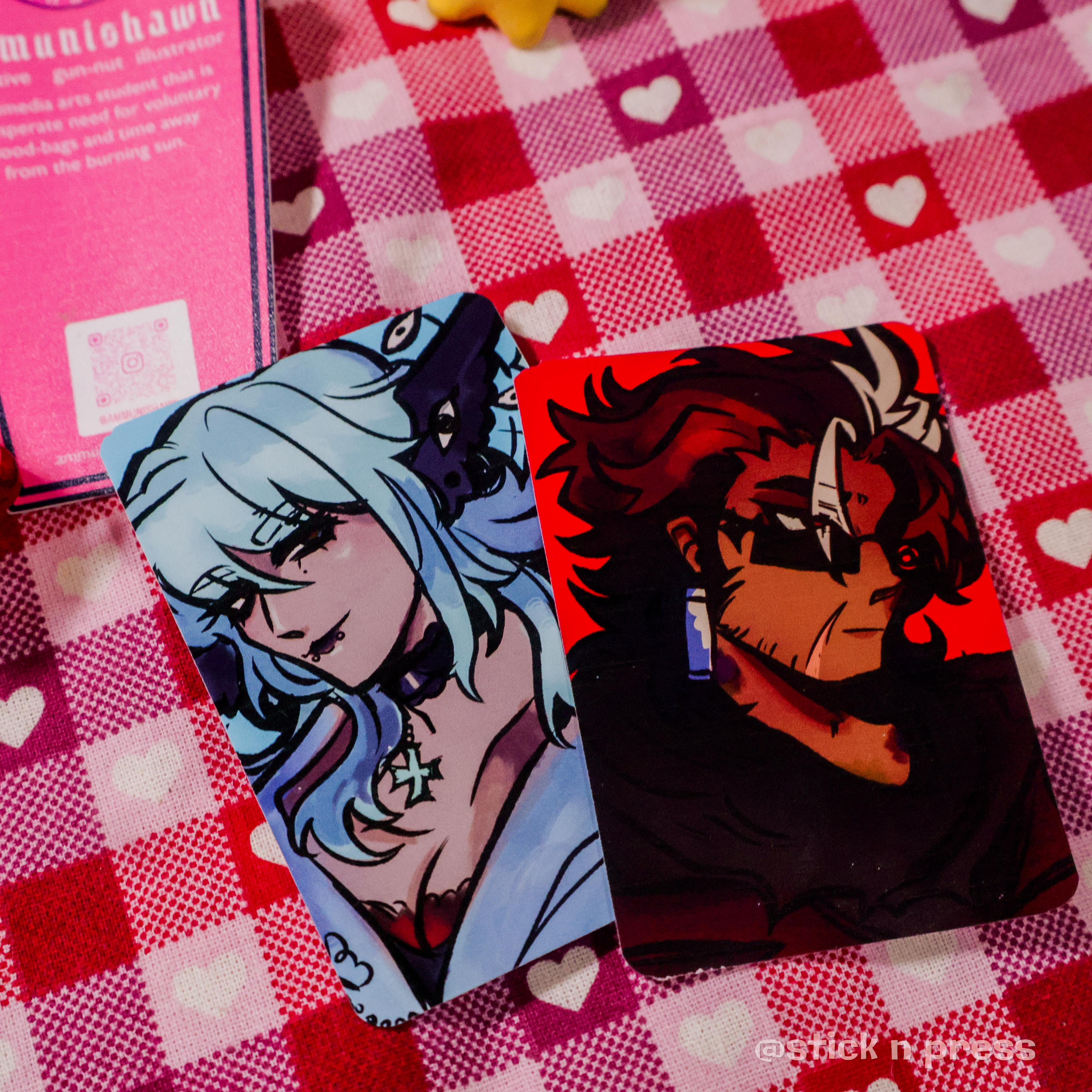
Print merch covers flat products like photocards, business cards, art prints, and posters. Unlike stickers, these usually do not need adhesive backing, but they do need clean sizing, safe margins, and a paper type that supports the intended finish.

  • Always build your canvas to the final physical size before exporting.
  • Glossy stock feels punchier for saturated art, while matte stock reduces glare.
  • Cards and posters need bleed and trim allowance if they will be cut professionally.
C. Buttons / Pins

Button Pins / Badges

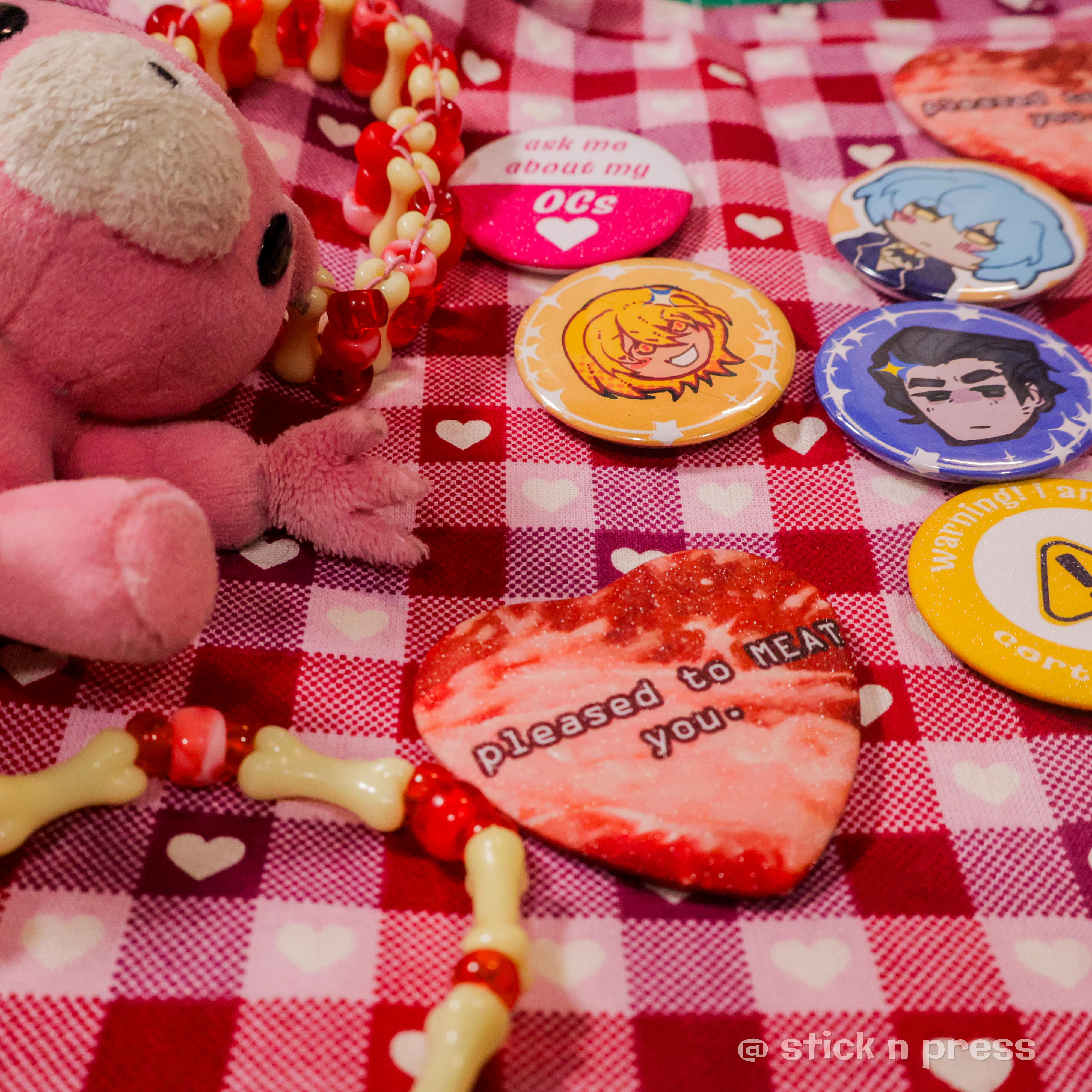
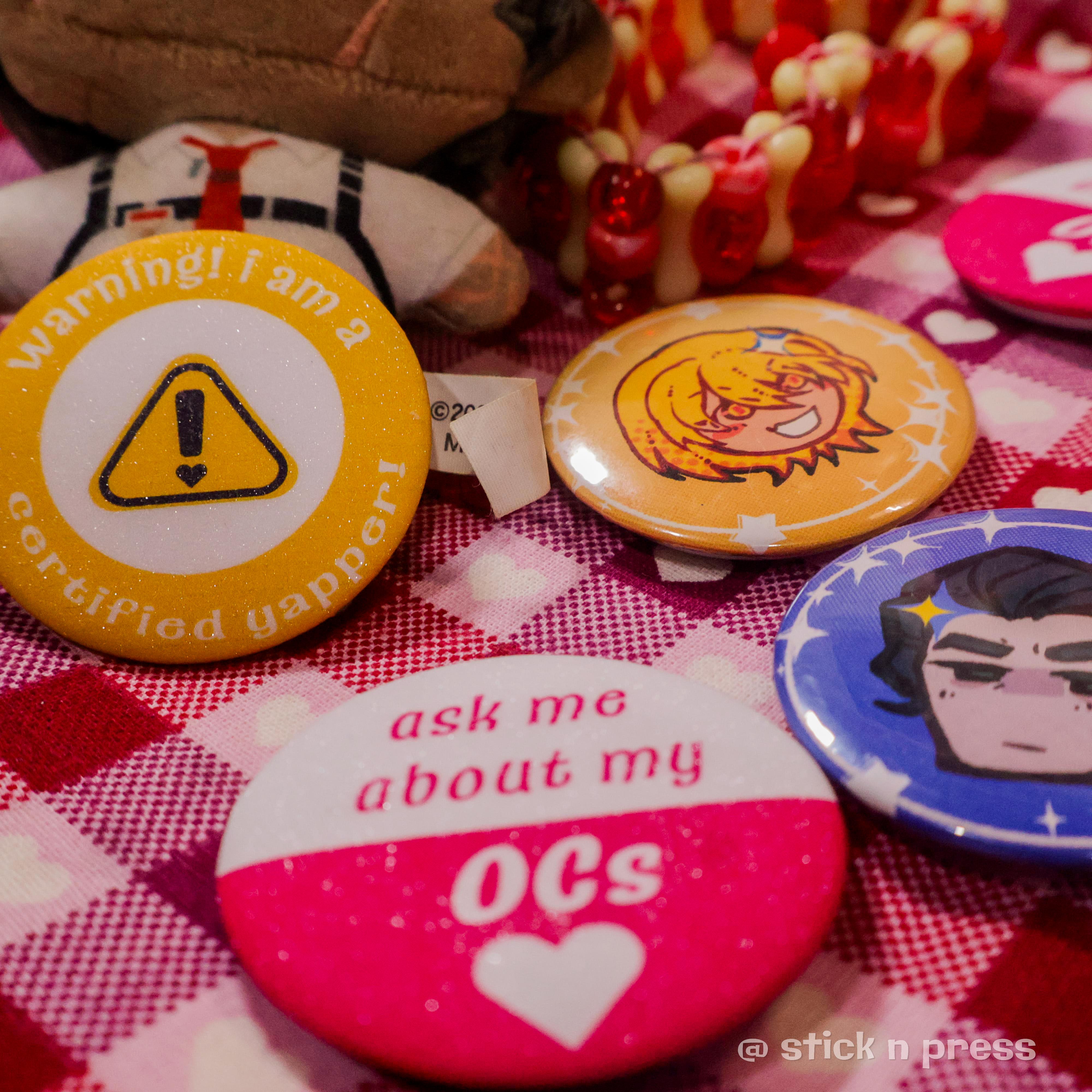
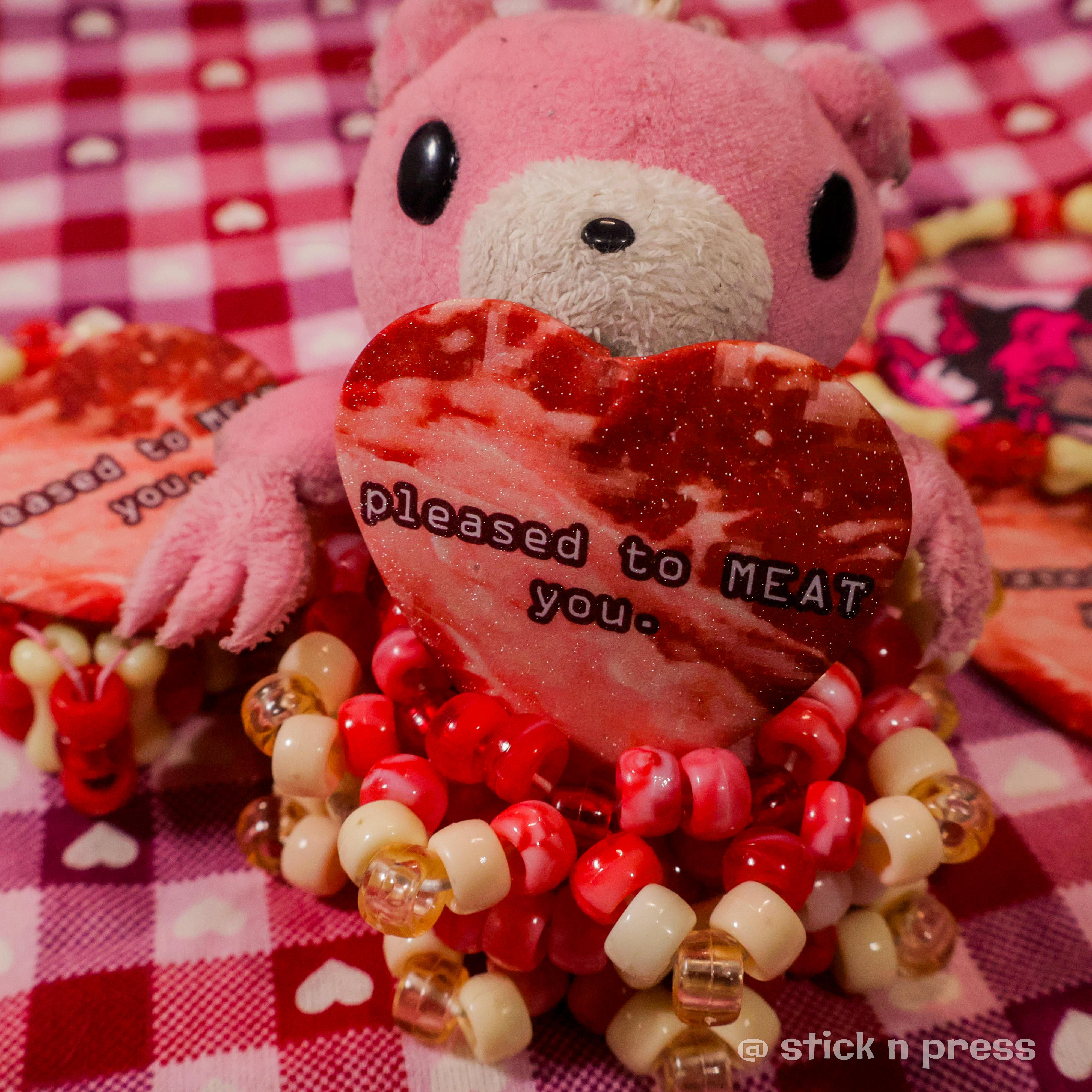
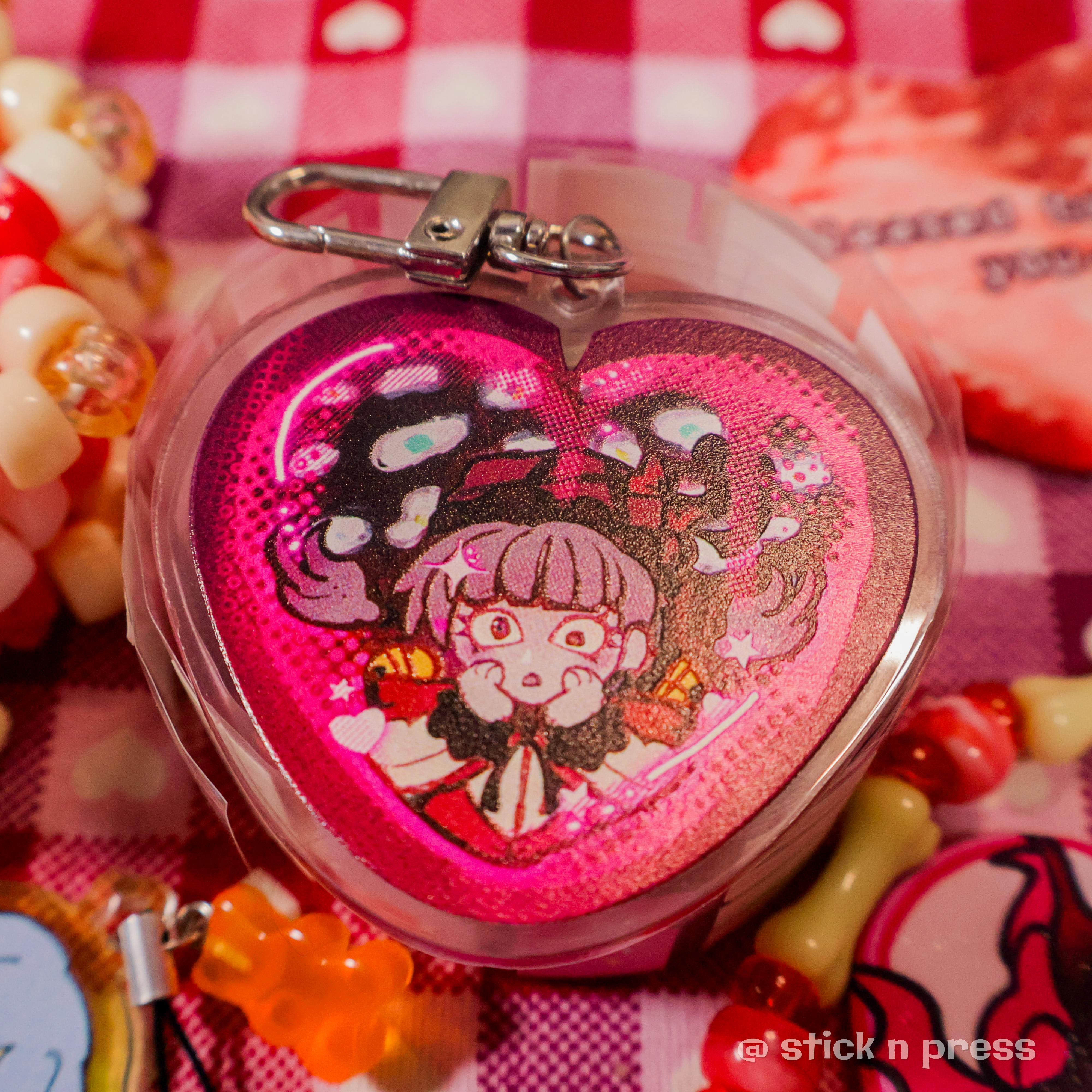
Buttons or pins are usually circular, though heart, square, and other custom forms also exist. They are made by pressing printed artwork around a shell using a pin maker or by ordering from a manufacturer that already supports the shape and backing you want.

  • Button templates are exact: artwork, cut line, and wrap allowance all need to match the machine size.
  • Common backings include metal safety pin backs, plastic pin backs, and keychain-style conversions.
  • Unusual shapes are possible, but they often require specialized tools or outside production.
D. Keychains

Hanging merch built around print method and hardware

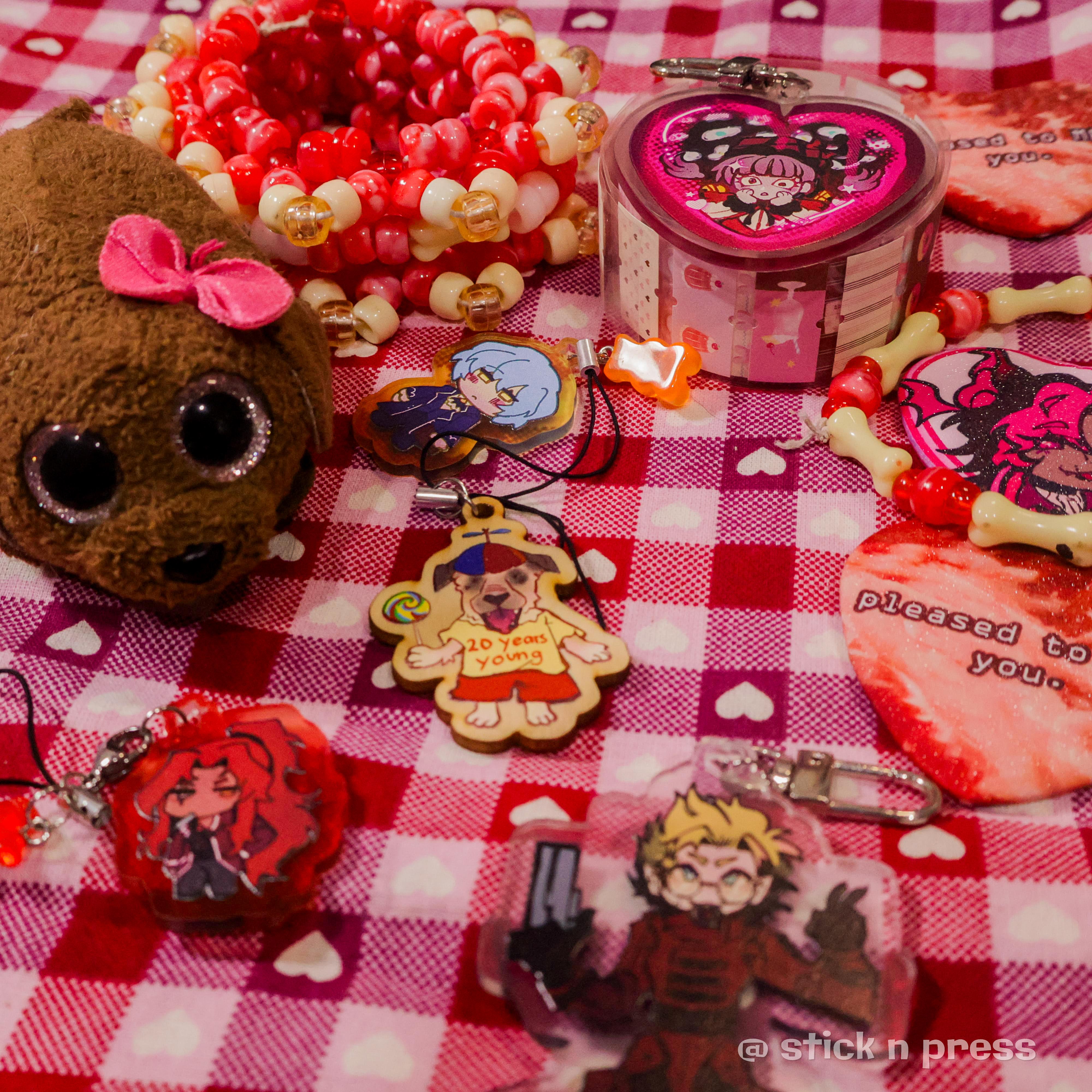
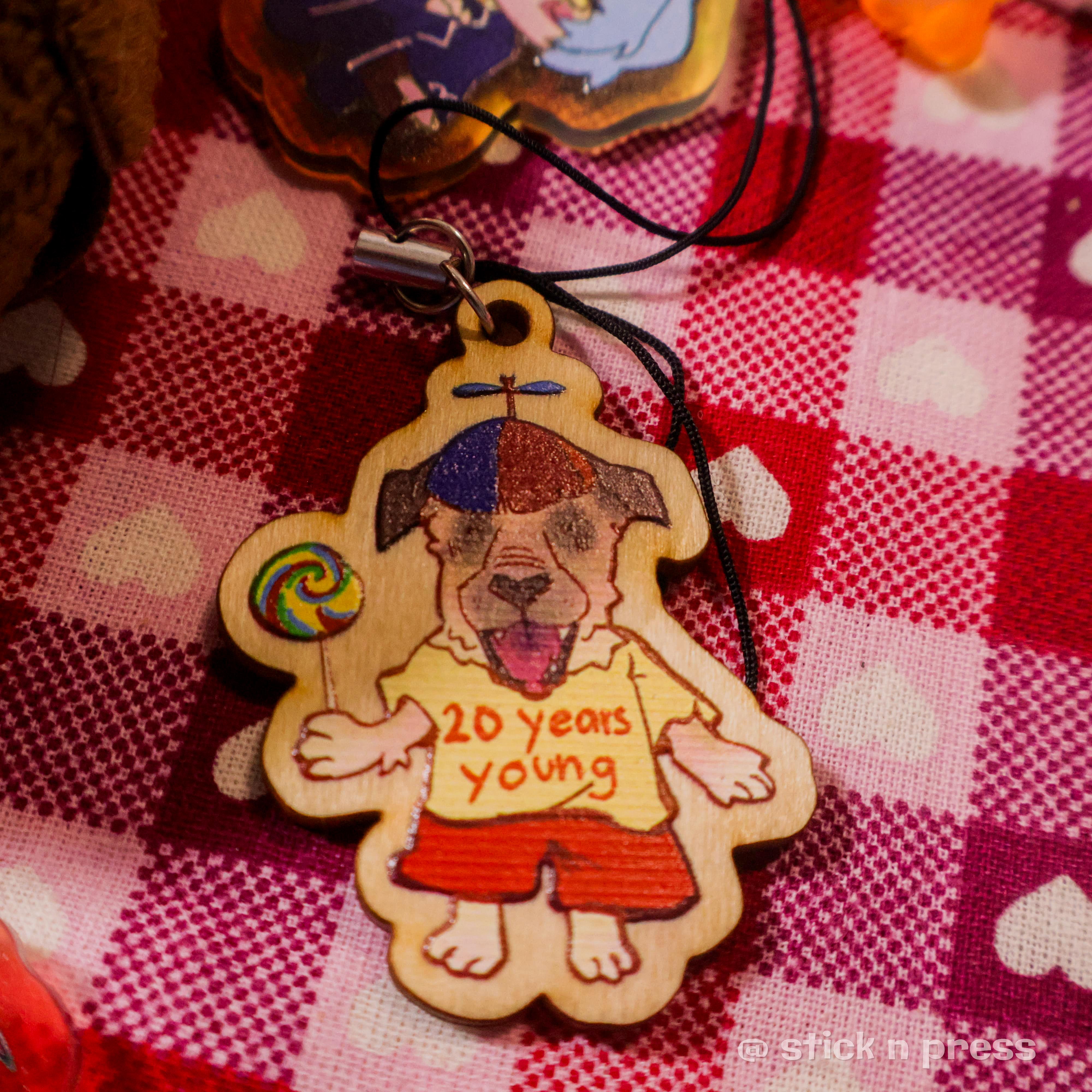
These are usually manufactured externally but could be made at home as one-off gifts such as shrink plastic, photos insert of keychain lockets /photo inserts. Those manufactured externally are usually identified by type. The most common type is acrylic and epoxy, but as of recent there has been a rise in wooden charms.

  • Material choice changes the look completely: acrylic feels clean and glossy, while wood gives a warmer handmade finish.
  • Always leave safe space around the punch hole so important parts of the artwork do not get cut off.
  • Hardware matters too, since jump rings, lobster clasps, and phone straps each change how the final product is used.

What to do next

Once you know which merch type you want to make, move into the dedicated tutorials for file setup, materials, and production workflow. The basics page is meant to help you compare formats quickly before committing to one process.