
Wiley Fox
Foxes symbolize intelligence in Japanese lore.
9/10 Skill
Origami comes from the Japanese words ori, meaning "folding", and kami, meaning "paper." It is the art of paper folding, which is often associated with Japanese culture. In modern usage, the word "origami" is used as an inclusive term for all folding practices, regardless of their culture of origin. The goal is to transform a flat, square sheet of paper into a finished sculpture by applying folding and sculpting techniques. Modern origami practitioners generally discourage the use of cuts, glue, or markings on the paper. Origami folders often use the Japanese word kirigami to refer to designs that use cuts.
This wonderful piece is this month's featured lesson
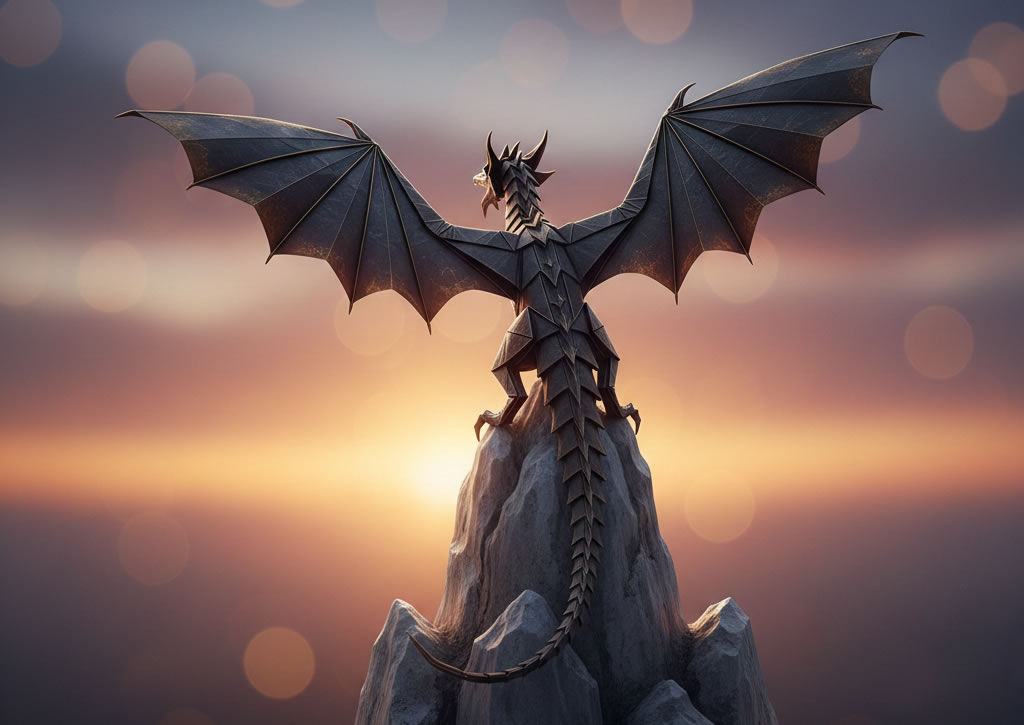
This lesson is taught by the head of the Murakami House of Origami. It includes five mini videos passed down since the Edo period.
The basic origami folds can be combined in various ways to create intricate designs. The best-known origami model is the Japanese paper crane. In general, these designs begin with a square sheet of paper whose sides may be of different colors, prints, or patterns. Traditional Japanese origami, which has been practiced since the Edo period (1603–1867), as often been less strict about these conventions, sometimes cutting the paper or using nonsquare shapes to start with. The principles of origami are also used in stents, packaging, and other engineering applications.
Learn only from the masters of origami
Foxes symbolize intelligence in Japanese lore.
9/10 Skill
Two-tone paper techniques for stunning results.
5/10 Skill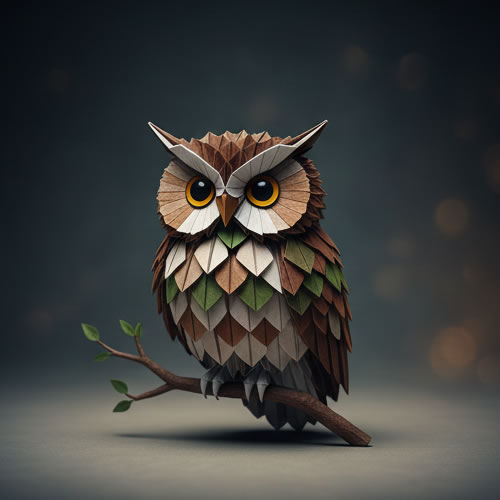
Multiple pieces combined without glue.
7/10 Skill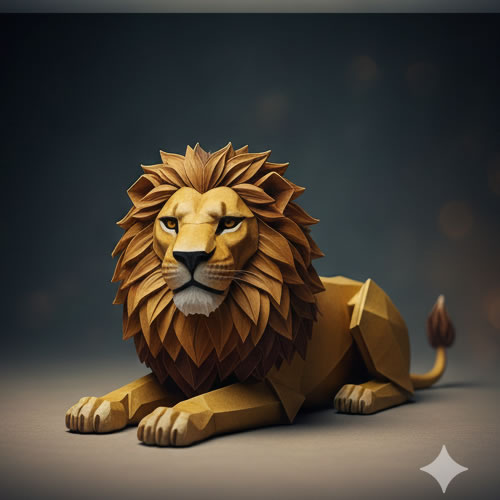
A classic design popularized by Omahari.
8/10 Skill